

Vertigo Clinic | Vestibular Physiotherapy
Improve balance, stop dizziness and vertigo, and regain confidence with specialised vestibular physiotherapy in our East Maitland based clinic.
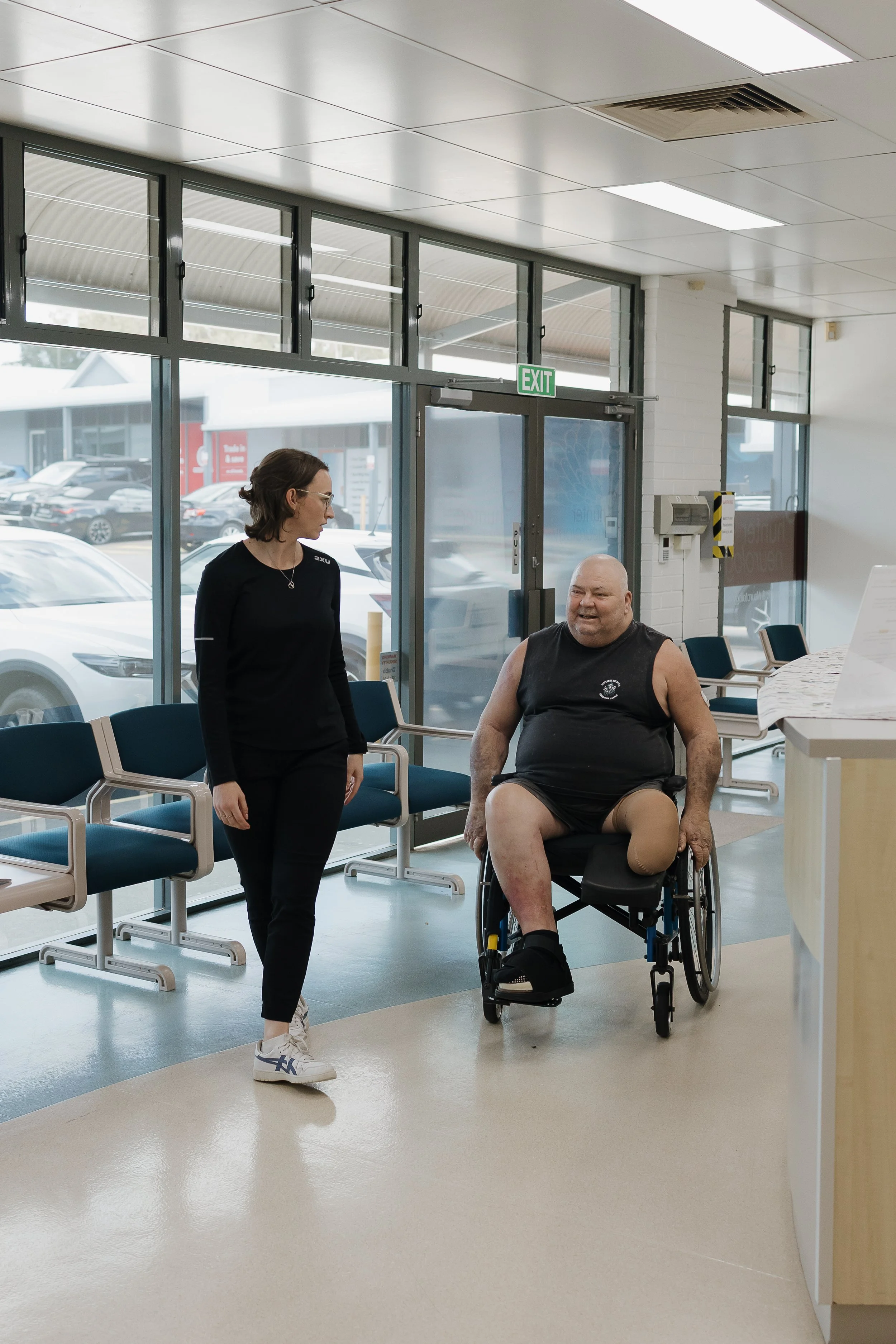
What are vestibular conditions?
Vestibular conditions are disorders of the inner ear and brain pathways that control balance and eye movements. When the vestibular system is disrupted, you may experience symptoms such as spinning sensations (vertigo), lightheadedness, nausea, blurred vision, unsteadiness and difficulty concentrating. Symptoms may be persistent, or come and go.
How can physiotherapy help?
Vestibular physiotherapy uses specialised clinical assessment and personalised exercises to reduce dizziness, improve balance and retrain the brain’s ability to compensate for inner ear dysfunction. Treatment may include:
Canalith repositioning manoeuvres for BPPV to quickly stop positional vertigo.
Gaze stability and habituation exercises to improve eye movements and reduce motion sensitivity.
Balance and gait retraining to lower fall risk and restore confidence.
Education and self-management strategies to prevent recurrence and manage symptoms in daily life.
Common vestibular conditions
Benign Paroxysmal Positional Vertigo (BPPV)
Brief, intense spinning episodes triggered by head position changes; caused by displaced crystals in the inner ear; often resolved with canalith repositioning manoeuvres.
Vestibular Neuritis / Labyrinthitis
Sudden onset of severe vertigo, nausea and balance problems often following a viral illness; may cause prolonged recovery and benefits from vestibular rehab.
Persistent Postural-Perceptual Dizziness (PPPD)
Ongoing non-spinning dizziness, unsteadiness and hypersensitivity to motion or complex visual environments; treatment focuses on graded exposure, habituation exercises and coping strategies.
Post-Concussion Dizziness
Dizziness and balance issues following head injury or concussion; management combines vestibular rehabilitation, balance retraining and coordination with medical care for safe return to activity.
Ready to take the next step?
Book a comprehensive assessment at our Dizzy Clinic to get a personalised treatment plan.
Frequently asked questions
-
Vestibular physiotherapy is a specialised form of physical therapy that assesses and treats dizziness, vertigo and balance problems by using targeted exercises, manual techniques and education to help the brain compensate for inner ear or brain-related balance disorders.
-
Anyone with recurrent dizziness, positional vertigo, balance loss, motion sensitivity, or ongoing symptoms after a concussion or viral inner ear injury should seek assessment. People worried about falls, driving safety or difficulty returning to work or sport are also appropriate referrals.
-
A comprehensive initial assessment usually takes 45 to 60 minutes and includes a detailed history, symptom triggers, balance and gait testing, eye movement (gaze) assessment and positional testing for BPPV.
-
Most patients require a course of sessions. Some conditions like BPPV may resolve after one or two manoeuvres, while others such as PPPD or post-concussion dizziness commonly need a progressive rehab program over several weeks.
-
Yes. Canalith repositioning manoeuvres performed by a trained physiotherapist are highly effective at stopping positional vertigo in the majority of BPPV cases and often provide immediate relief.
-
Treatment commonly includes repositioning manoeuvres for BPPV, gaze stability and habituation exercises, balance and gait training, manual therapy if needed, education about triggers and self-management strategies, and a home exercise program.
-
Exercises are designed to provoke symptoms mildly at first to promote habituation and compensation. They are not intended to cause severe or prolonged distress. Your therapist will progress exercises at a pace you can tolerate and modify them if symptoms worsen.
-
Improvement timelines vary by condition. BPPV can improve immediately after manoeuvres; vestibular neuritis and PPPD often require weeks to months of rehabilitation. Early assessment and adherence to your home program speed recovery.
-
Balance and gait retraining, plus practical strategies for safe movement, can significantly reduce fall risk by improving postural control, reaction times and confidence in daily activities.
-
A referral is not required to see a physiotherapist, however, some patients prefer or need a GP referral for insurance, WorkCover or compensation claims. We can advise on referral requirements for your situation.
-
Some people experience recurrence, especially with BPPV, which can reappear months or years later. We teach self-management strategies and provide follow-up plans to quickly manage recurrences.
-
Call our clinic on 0494 197 281 or use the contact form on this website to schedule a comprehensive vestibular assessment at a time and place that suits you.
-
Our clinic is conveniently located at 40 ELGIN STREET, Maitland New South Wales 2320.
Turn at the Cheesecake shop and follow the carpark to the back of the lot. We have plenty of car spaces for you to park right out front of the clinic.